
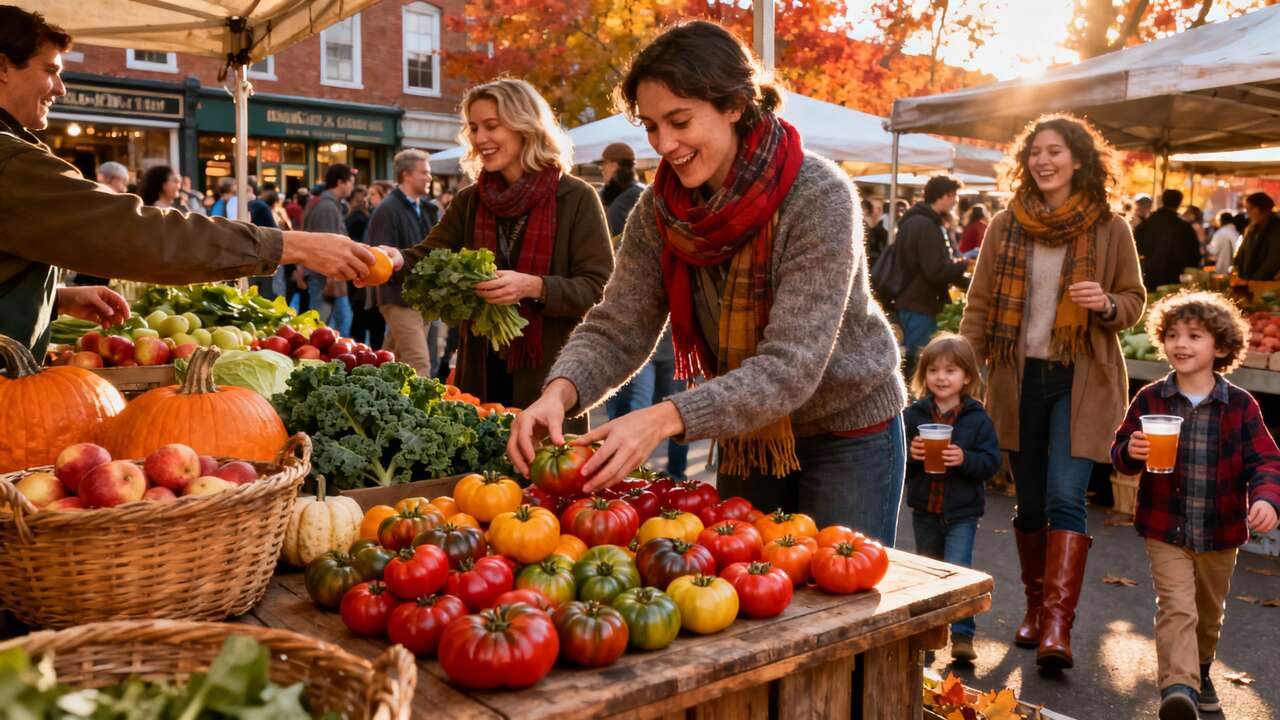

While culinary capitals like New York City, Chicago, and San Francisco deservedly attract global attention, a quieter but equally vibrant food revolution is simmering in smaller, often overlooked American cities. This autumn, as the air turns crisp and harvest flavors peak, the discerning traveler can uncover exceptional gastronomic experiences far from the usual tourist trails. These destinations offer more than just a meal; they provide a narrative of place, culture, and community, served up on a plate. From the mountains of North Carolina to the agricultural heart of California, a new map of American cuisine is being drawn, one that rewards curiosity and a willingness to explore beyond the expected.
Culinary Discovery in Asheville: a Gourmet Adventure in North Carolina
Appalachian Soul Food Reinvented
In the heart of the Blue Ridge Mountains, Asheville has cultivated a reputation as a fiercely independent and creative hub, a spirit that extends directly to its kitchens. The city’s chefs are at the forefront of a movement that honors Appalachian culinary traditions while infusing them with modern techniques. This is not just about comfort food; it’s about elevating heritage ingredients like sorghum, heirloom grits, and foraged mushrooms into sophisticated dishes. The farm-to-table philosophy isn’t a trend here; it’s a foundational principle, with many restaurants boasting direct partnerships with local farms, ensuring that what’s on the plate is a true reflection of the region’s seasonal bounty.
A Hub for Craft Breweries
Asheville’s culinary identity is also deeply intertwined with its craft beer scene, which is consistently ranked among the best in the nation. With more breweries per capita than almost any other city, there is a brew for every palate. The focus is on quality, innovation, and community. Visitors can explore a diverse landscape of brewing styles, from classic European lagers to experimental American IPAs. Many breweries also feature full-service kitchens, creating menus designed to pair perfectly with their beers. Key experiences include:
- Touring the large-scale East Coast hubs of major West Coast breweries.
- Discovering small, independent taprooms in the South Slope brewing district.
- Sampling sour and wild ales from producers specializing in barrel-aging.
- Enjoying seasonal autumn brews featuring ingredients like pumpkin, sweet potato, and local spices.
Market Freshness
To truly understand Asheville’s food culture, a visit to one of its many farmers’ markets is essential. These markets are vibrant community gathering places where chefs, locals, and visitors converge. Here, the direct connection between the land and the table is palpable. Autumn brings a particularly rich harvest, showcasing the best of the mountain region. The quality and variety of the produce available are a testament to the area’s fertile soil and dedicated farmers.
Autumn Harvest in the Blue Ridge Mountains
| Produce | Typical Culinary Use | Flavor Profile |
|---|---|---|
| Candy Roaster Squash | Soups, pies, roasted side dishes | Sweet, nutty, earthy |
| Chestnuts | Stuffing, roasted snacks, flour | Mildly sweet, rich |
| Pawpaws | Custards, ice cream, eaten fresh | Tropical, like a banana-mango hybrid |
| Heirloom Apples | Ciders, butters, pies, sauces | Varies: from tart and crisp to sweet and soft |
The profound connection to local agriculture and artisanal production in Asheville sets a high bar for authenticity, a value shared by another creative hub on the opposite coast known for its own fiercely independent and innovative food scene.
Innovative Food Scene in Portland: a Journey Between Tradition and Modernity
The Food Truck Phenomenon
Portland, Oregon, has long been a destination for those seeking the unconventional, and its food scene is no exception. The city is arguably the epicenter of the modern food truck movement, with hundreds of carts grouped into “pods” scattered throughout its neighborhoods. This is not your average street food. These carts offer restaurant-quality dishes spanning the globe, from authentic Thai curries and Korean barbecue to inventive vegan creations and gourmet grilled cheese sandwiches. The low overhead allows chefs to take risks, experiment with niche concepts, and offer incredible value, making it possible to eat exceptionally well on any budget.
From Doughnuts to Fine Dining
The city’s culinary landscape is characterized by a playful and creative spirit. It’s a place where a doughnut shop can achieve international fame and where fine dining restaurants push boundaries with tasting menus focused on hyper-local, foraged ingredients. This high-low dynamic means there is always something new to discover. Portland’s chefs and artisans are known for their dedication to their craft, whether it’s perfecting a single-origin coffee brew, crafting small-batch ice cream with unique flavors like pear and blue cheese, or reimagining Pacific Northwest cuisine. The emphasis is always on quality, creativity, and a touch of weirdness.
A Commitment to Sustainability
Underpinning Portland’s food culture is a deep-seated commitment to sustainability and ethical sourcing. This ethos is visible everywhere, from the prevalence of organic and non-GMO ingredients to the focus on nose-to-tail butchery and waste reduction. Restaurants proudly display the names of the farms, ranches, and fisheries they partner with. This transparency creates a powerful connection between the consumer, the chef, and the producer, fostering a food system that is both delicious and responsible.
Sustainable Practices in Portland’s Food Scene
| Practice | Description | Impact |
|---|---|---|
| Hyper-local Sourcing | Using ingredients grown or raised within a very short distance of the restaurant. | Reduces food miles, supports local economy, ensures freshness. |
| Whole-animal Utilization | Using every part of the animal to minimize waste. | Promotes respect for the animal, encourages culinary creativity. |
| Composting Programs | Diverting food scraps from landfills to be turned into compost. | Reduces methane emissions and creates valuable soil amendment. |
| Direct Trade Coffee | Sourcing coffee beans directly from farmers, cutting out intermediaries. | Ensures better pay for farmers and higher quality for consumers. |
While Portland’s modernity and focus on sustainability define its culinary identity, another city in the American Southwest offers a taste of something entirely different, where food is a living history shaped by centuries of cultural fusion.
Unique Flavors in Santa Fe: an Exceptional Blend of Cultures
The Magic of the Chile
In Santa Fe, the question isn’t whether you want chile, but “red, green, or Christmas ?”. This simple query is the gateway to understanding the soul of New Mexican cuisine. The chile is more than an ingredient; it’s a cultural icon. Green chiles, harvested in late summer and autumn, are roasted to impart a smoky, pungent flavor, while red chiles are mature green chiles that have been dried and ground into a rich, earthy powder. Ordering your dish “Christmas” style gets you a vibrant smothering of both. This chile-centric cuisine is found in everything from enchiladas and stews to burgers and even apple pie, creating a flavor profile that is utterly unique to the region.
A Fusion of Native American and Spanish Influences
Santa Fe’s culinary traditions are a tapestry woven from the threads of Native American (primarily Pueblo) and Spanish colonial history. This blend has created a cuisine that is distinct from both Mexican and other Southwestern food. The ingredients and techniques have been passed down through generations, resulting in dishes that are deeply comforting and complex. Key elements include:
- Blue Corn: Used for tortillas, pancakes, and atole, providing a nutty, sweet flavor.
- Posole: A hearty stew made from hominy, often with pork and red chile.
- Chicos: Dried corn kernels that are rehydrated for stews and side dishes.
- Piñon Nuts: Foraged from local pine trees and used in both savory and sweet dishes.
The Margarita Trail
The city’s creative spirit also extends to its cocktails, most notably the Margarita. Santa Fe has created an official Margarita Trail, a curated list of restaurants and bars that serve unique, craft versions of the classic drink. It’s a fun way to explore the city while sampling concoctions that feature local ingredients like lavender, prickly pear, and of course, green chile. It highlights the city’s ability to honor tradition while embracing playful innovation.
Examples of Unique Margarita Flavors
| Featured Ingredient | Flavor Profile | Typical Pairing |
|---|---|---|
| Smoked Sage | Herbaceous, earthy, smoky | Grilled meats, savory dishes |
| Prickly Pear | Sweet, vibrant, almost berry-like | Spicy food, light appetizers |
| Green Chile | Spicy, vegetal, savory | Hearty New Mexican cuisine |
From the historic and spicy flavors of the high desert, our culinary journey shifts to another city where tradition is paramount, but where the rhythm is set not by ancient history, but by the soulful sound of American music.
Vinyl and Gourmet Pleasures in Nashville: when Music Meets Cuisine
More Than Just Hot Chicken
While Nashville’s fiery hot chicken has rightfully earned its place in the culinary hall of fame, to define the city’s food scene by this one dish would be a disservice. Music City’s gastronomic offerings are as diverse as its musical genres. The “meat-and-three” is a quintessential Nashville experience, a cafeteria-style institution where diners choose one meat and three vegetable side dishes from a long list of Southern classics. This is the bedrock of local comfort food. But beyond these beloved traditions, a new wave of chefs is reinterpreting Southern cuisine with a sophisticated, modern sensibility.
The Rise of a New Culinary Scene
In recent years, Nashville has experienced a culinary boom, attracting top-tier talent and fostering a dynamic and competitive restaurant environment. Neighborhoods like East Nashville and The Gulch have become hotspots for innovative dining. These establishments are pushing the envelope, blending Southern traditions with global influences and a commitment to high-quality, locally sourced ingredients. This evolution has transformed Nashville from a city known for its honky-tonks and comfort food into a serious dining destination that can compete on a national level.
Barbecue and Whiskey: a Perfect Harmony
No exploration of Tennessee cuisine would be complete without indulging in its two most famous exports: barbecue and whiskey. Nashville is home to a rich barbecue tradition, with pitmasters slow-smoking pork, ribs, and brisket to tender perfection. The local style often features a dry rub and a tangy, vinegar-based sauce. This smoky delicacy finds its perfect partner in Tennessee whiskey, which, by law, must be filtered through sugar maple charcoal, a process that imparts a signature smoothness. Many local distilleries offer tours and tastings, providing a perfect complement to a barbecue feast.
Nashville Barbecue Styles
| Style | Primary Meat | Key Characteristic |
|---|---|---|
| Pulled Pork | Pork shoulder | Slow-smoked until tender, often served on a sandwich. |
| Dry-Rub Ribs | Pork ribs | Coated in a complex spice rub before smoking, sauce served on the side. |
| Smoked Brisket | Beef brisket | A nod to Texas style, smoked for many hours until a dark “bark” forms. |
The energetic and evolving Southern charm of Nashville gives way to a more understated and historic atmosphere as we head northeast to a coastal city with a rich culinary heritage of its own.
Authentic Charm of Providence: a Discreet Culinary Getaway in New England
A Coastal Cornucopia
Providence, Rhode Island, may be small, but its culinary impact is mighty, thanks in large part to its prime location on Narragansett Bay. The city’s food scene is defined by an abundance of incredibly fresh seafood. From casual clam shacks serving clam cakes and chowder to elegant restaurants featuring local oysters and pan-seared scallops, the ocean’s bounty is never far from the plate. Providence has even made fried calamari its official state appetizer, typically served “Rhode Island style” with hot cherry peppers. It’s a testament to the city’s deep and abiding connection to the sea.
The Influence of Johnson & Wales
One of the secret ingredients in Providence’s culinary success is the presence of Johnson & Wales University, one of the world’s most respected culinary arts institutions. The university acts as a constant incubator for talent, with graduates often staying in the city to open their own establishments. This creates a food scene that is both technically proficient and creatively vibrant. The high concentration of skilled chefs ensures a level of quality and innovation that is remarkable for a city of its size.
Federal Hill’s Italian Legacy
A stroll through the Federal Hill neighborhood is like a trip to Italy. This historic district is the heart of Providence’s Italian-American community and is packed with some of the best and most authentic Italian food in the country. The streets are lined with traditional trattorias, bakeries selling fresh cannoli, and specialty markets stocked with imported cheeses and cured meats. It’s a neighborhood where recipes have been passed down for generations, offering a delicious taste of Old World culinary heritage.
- Baked Ziti: A classic comfort dish, often made with a rich, slow-simmered tomato sauce and multiple cheeses.
- Veal and Peppers: A rustic and flavorful dish showcasing tender veal and sweet peppers.
- “Gravy”: The term used for the iconic Italian-American red sauce, often cooked for hours with meat.
- Zeppole: A fried dough pastry, particularly popular around St. Joseph’s Day in March but available year-round in many bakeries.
From the historic coastal flavors of New England, our final stop takes us to the sun-drenched agricultural heartland of California, where an unparalleled abundance of fresh produce forms the foundation of a surprisingly diverse food scene.
Fresno: culinary Treasures in California’s Central Valley
The Nation’s Fruit Basket
Located in the center of California’s vast and fertile Central Valley, Fresno is the engine of American agriculture. This proximity to the source gives the city’s chefs and residents access to an extraordinary variety of produce at its absolute peak of freshness. The farm-to-fork concept is not a marketing slogan here; it is a simple reality. A drive along the Fresno County Fruit Trail in the autumn reveals a stunning bounty of pomegranates, persimmons, and citrus. This direct access to the world’s best ingredients is the foundation of the local food scene, providing a canvas for culinary expression that is fresh, vibrant, and seasonal.
A Crossroads of Cultures
For generations, Fresno has been a destination for immigrant communities who came to work in agriculture, and they brought their rich culinary traditions with them. The result is a food scene of incredible diversity. The city is renowned for its authentic Mexican food, particularly its countless taco trucks, each with its own specialty. It also has a significant Armenian population, contributing delicious kebabs and bakeries. Furthermore, Fresno is home to one of the largest Hmong communities in the United States, offering a rare opportunity to sample this Southeast Asian cuisine, known for its fresh herbs, spicy sausages, and hearty noodle soups.
Unassuming Excellence
What makes Fresno a true hidden gem is its lack of pretense. The best food is often found in small, family-owned restaurants and unassuming food trucks located in strip malls or residential neighborhoods. This is a city that rewards exploration. It’s a place where you can find world-class tri-tip barbecue at a roadside stand or life-changing pho in a humble cafe. The focus is on flavor and authenticity, not on fancy decor or trendy concepts.
A Glimpse into Fresno’s Food Truck Diversity
| Cuisine Type | Signature Dish | Common Location |
|---|---|---|
| Mexican (Tacos) | Tacos al Pastor | Often found in dedicated food truck lots or major street corners. |
| Armenian BBQ | Shish Kebab Plate | Pop-ups at farmers’ markets and community events. |
| Central Valley BBQ | Tri-Tip Sandwich | Catering events and local breweries. |
| Hmong | Spicy Hmong Sausage | Community gatherings and specific neighborhood locations. |
This autumn, looking beyond the established culinary giants reveals a diverse and exciting landscape of American food. Cities like Asheville, Portland, Santa Fe, Nashville, Providence, and Fresno each offer a unique narrative, proving that exceptional dining experiences are rooted in local culture, fresh ingredients, and a passionate community of chefs and artisans. Exploring these underrated destinations provides a richer, more authentic taste of what American cuisine has to offer.

- This Small Arkansas Town Is Way More Cosmopolitan and Artsy Than You Could Ever Imagine - 7 November 2025
- 5 Places in the American South That Have Fall Colors to Rival New England - 7 November 2025
- This Texas Hill Country Town, 90 Mins From Austin, Is the Most Charming Place to Be This Fall - 7 November 2025
Pubblicazioni simili :
 Autumn Is the Secret Season to Visit This Texas National Park and Avoid the Deadly Heat
 Why Autumn Is Secretly the Absolute Best Season to Visit This Iconic National Park
 Nobody Thinks to Visit This Texas National Park, but Its Canyons Are Incredible in the Fall
 This Texas Fort Is a Famed Symbol of American Independence You Can Visit Today